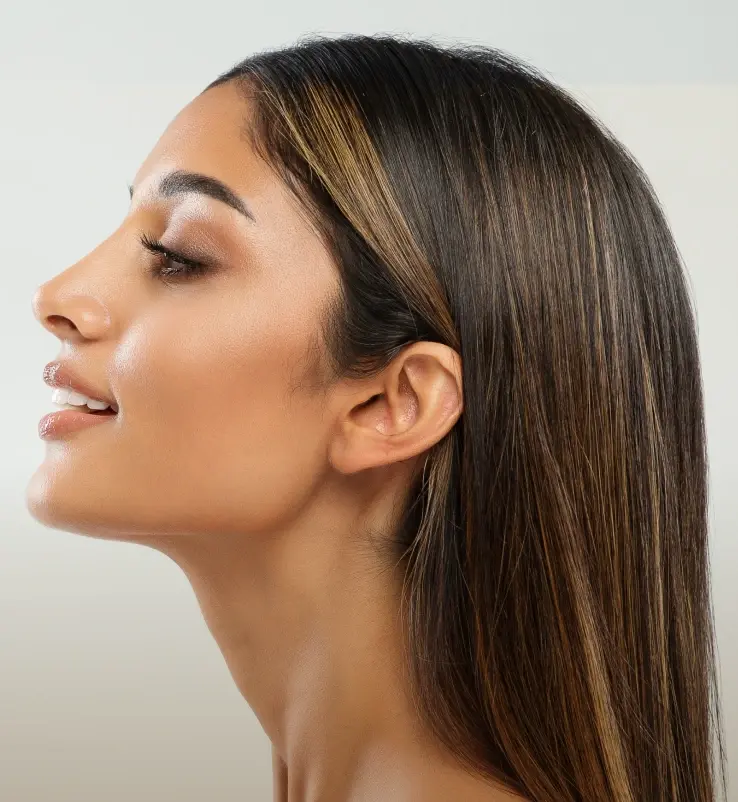
Thoughtful Rhinoplasty That Balances Form, Function and Your Natural Features



Rhinoplasty
The nose holds a defining presence on your face, tying your features together. When its shape feels slightly out of proportion, it can become something you notice often in the mirror, in photos, or even in how others see you. For some, nasal concerns also affect breathing comfort, making daily life feel less effortless.
Rhinoplasty, or nose reshaping surgery, can help refine the structure and function of the nose. Whether your goal is to have a higher nasal bridge, refine the nasal tip, smooth a hump, the procedure aims to restore natural balance and harmony with your facial features.
Rhinoplasty, or nose reshaping surgery, can help refine the structure and function of the nose. Whether your goal is to have a higher nasal bridge, refine the nasal tip, smooth a hump, the procedure aims to restore natural balance and harmony with your facial features.
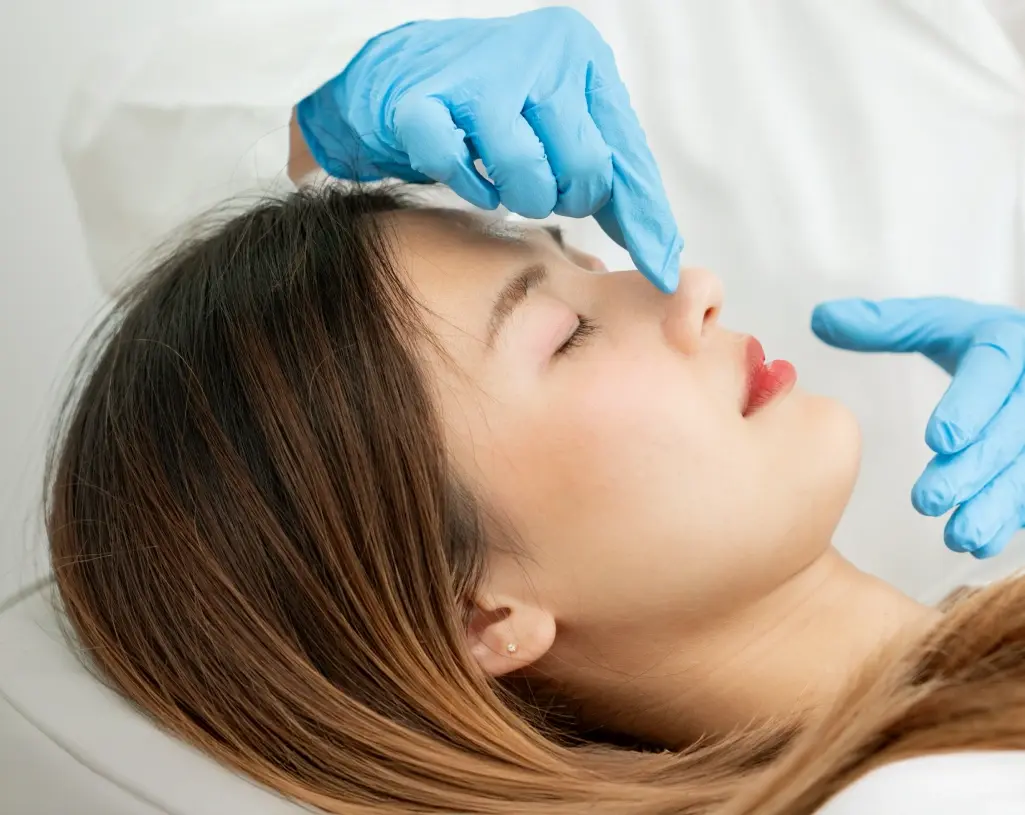
What Is Rhinoplasty?
Rhinoplasty is a surgical procedure that reshapes or reconstructs the nose to enhance both appearance and function. It may involve refining the nasal bridge, adjusting the tip, or correcting structural issues that interfere with breathing.
Every nose is unique, so the approach is always individualised. Some patients seek subtle contouring to bring symmetry to their features, while others pursue surgery to repair damage from injury or resolve functional blockages.
Every nose is unique, so the approach is always individualised. Some patients seek subtle contouring to bring symmetry to their features, while others pursue surgery to repair damage from injury or resolve functional blockages.
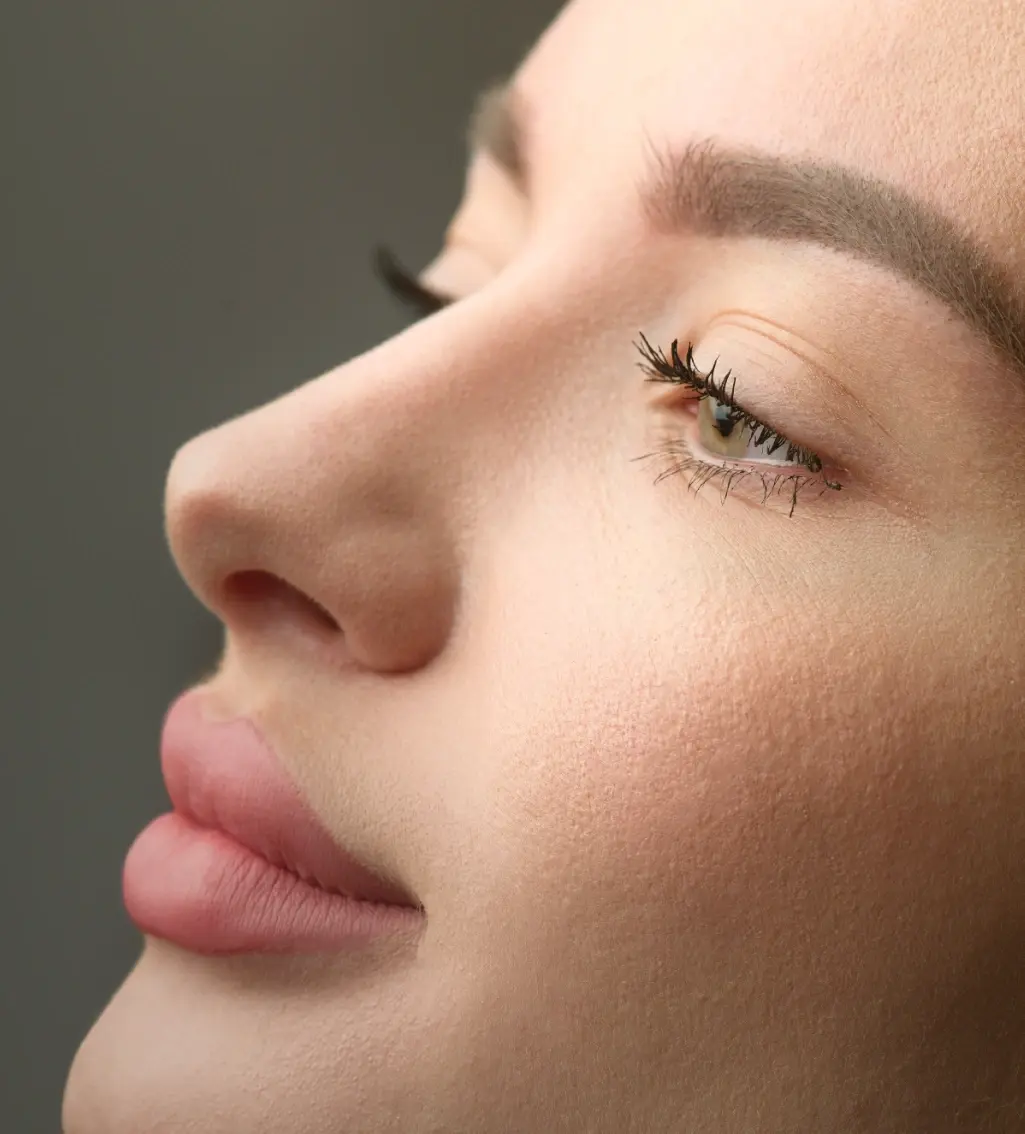
Is Rhinoplasty Right for You?
If you’ve ever found yourself focusing on the shape of your nose or struggling to breathe comfortably, rhinoplasty may be worth considering. Rhinoplasty can address both aesthetic and functional concerns such as:
Crooked nose correction – When the nose appears off-centre or uneven, surgery can help realign it to better balance your facial proportions.
Hump or pseudo-hump correction – A raised bridge can make the profile appear more pronounced; smoothing it restores softer, more natural contours.
Tip refinement – If the tip looks crooked, bulbous or droopy, reshaping can bring greater definition and harmony to your overall expression.
Septoplasty or septal reconstruction – When a deviated septum or internal blockage affects airflow, this procedure can open the nasal passages for easier breathing.
Wide Nose – Refining a wide nasal bridge or flared nostrils to create a more proportionate and cohesive appearance.
Revision Rhinoplasty – Corrects or improves the results of a previous nose surgery, addressing both aesthetic concerns and functional issues.
Deviated Nasal Septum – Straightens the nasal septum to improve airflow and ease breathing difficulties.
Nasal Valve Collapse – Strengthens and rearranges nasal structures to support better breathing and long-term nasal function.
Why Patients Choose
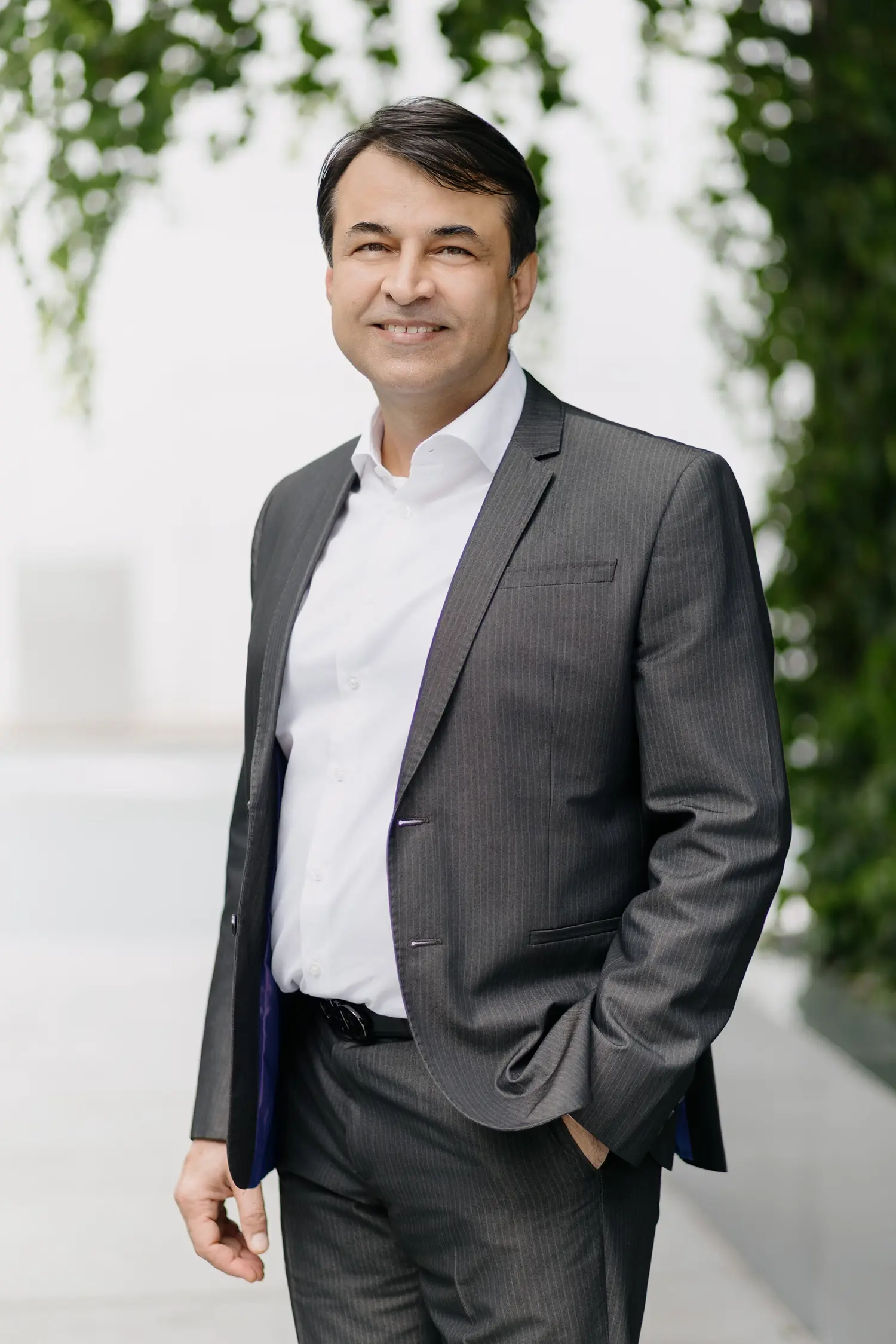
Dr Sandeep Uppal
Dr Sandeep Uppal
Rhinoplasty requires more than surgical precision — it calls for an understanding of how structure and aesthetics work together. Dr Sandeep’s dual fellowship training in Facial Plastic Surgery and ENT–Head and Neck Surgery provides the insight needed to improve both appearance and function.
His experience working with Asian, Indian, and Caucasian patients means each plan is adapted to respect your natural features and cultural identity. Whether it’s your first rhinoplasty or a revision after previous surgery, his approach centres on proportion, durability, and subtle, balanced results.
His experience working with Asian, Indian, and Caucasian patients means each plan is adapted to respect your natural features and cultural identity. Whether it’s your first rhinoplasty or a revision after previous surgery, his approach centres on proportion, durability, and subtle, balanced results.
Get in touch
Your Rhinoplasty Journey
Your bespoke rhinoplasty journey is structured such that you feel informed, supported, and confident at each stage.
Consultation and Assessment
Your first visit begins with a detailed conversation about your goals and concerns. Dr Sandeep will examine your facial structure, nasal anatomy, and skin type, using photographs or imaging to plan proportions that complement your features.
Planning and Discussion
You’ll discuss the surgical options available and how each can address your concerns. Both aesthetic goals and breathing function are carefully considered to achieve a natural outcome.
Surgery
Rhinoplasty is usually performed under anaesthesia as a day procedure. Fine adjustments are made to the underlying cartilage and bone to refine the shape or improve airway flow. Incisions are then closed with precision to promote discreet healing.
Recovery & Healing
Mild swelling and bruising are common in the first one to two weeks. Most people resume normal routines after two weeks, but strenuous activity should be avoided for four to six weeks. Dr Sandeep and his team will provide step-by-step guidance and follow-up care to support your recovery and ensure lasting comfort.
Frequently Asked
Questions
Questions
Don’t see an answer to your question?
Is rhinoplasty only for cosmetic reasons?
Not at all. You may be surprised to know that rhinoplasty can improve both how your nose looks and how it functions. It can help with breathing difficulties, correct septal deviations, or fix structural issues from injury or congenital conditions.
Will I still look like myself after rhinoplasty?
Yes. The aim is to refine and enhance your existing features, not to change your face entirely. The result should look like a natural fit for you.
Will I need revision surgery?
While most patients are satisfied with their results, a small number may require refinement once healing is complete. Dr Sandeep’s approach prioritises meticulous planning to minimise the likelihood of revision.
Can breathing issues and cosmetic goals be addressed together?
Absolutely. Functional and aesthetic improvements are often performed at the same time, helping you breathe easier while achieving the appearance you want.
Ready to take the next step?
Schedule a consultation with Dr Sandeep Uppal to explore how rhinoplasty can refine your features while improving comfort and function.
Contact Us Today

Discover Your Path To
Your Best Self
Your Best Self
Learn how our specialised treatments can enhance your natural features.