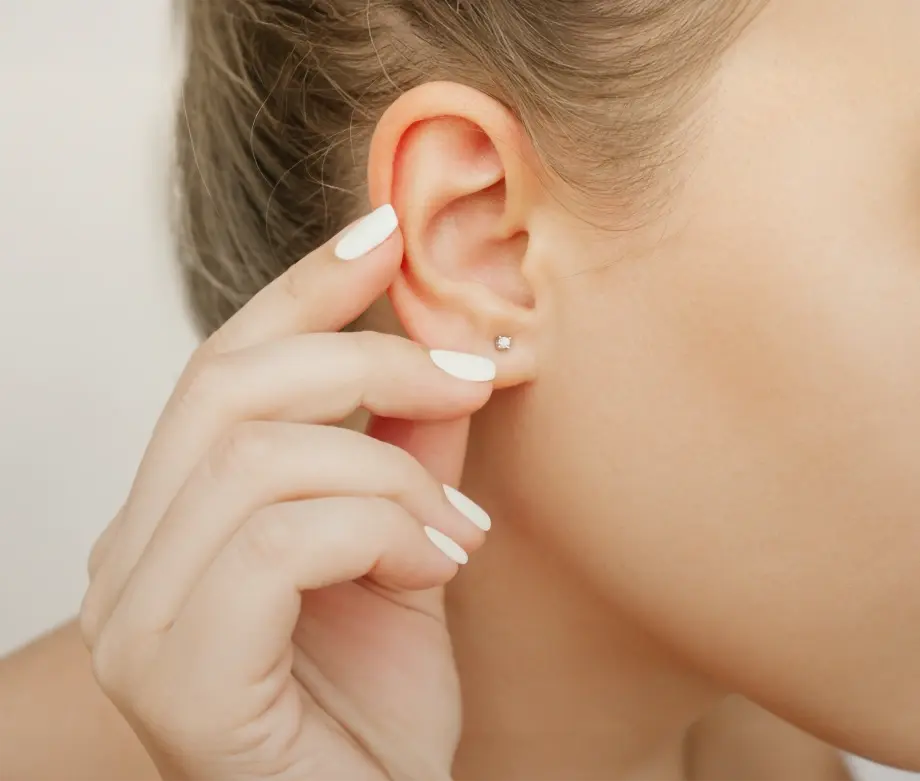
Pinnaplasty: Refining Ear Shape for a Natural, Proportionate Symmetry

Breadcrumb Banner Image
Breadcrumb Banner Background
Pinnaplasty overview
Pinnaplasty
Do you find yourself styling your hair a certain way or avoiding certain angles in photos because of prominent ears? Protruding or asymmetrical ears can draw attention away from your other facial features and affect confidence at any age.

Pinnaplasty, also known as ear pinning surgery or Otoplasty, offers a long-term solution to reshape and reposition the ears closer to the head. By improving balance and proportion, the procedure helps your ears sit more naturally with the rest of your facial features, without looking obvious or overcorrected.
What Is Pinnaplasty?
Pinnaplasty is a surgical procedure designed to correct prominent, protruding or misshapen ears. It involves reshaping the ear cartilage and adjusting its position so the ears lie closer to the sides of the head. The goal is not to create “perfect” ears, but ears that look natural, symmetrical and in harmony with your facial structure.

Pinnaplasty can help to address:
Ears that stick out excessively from the head
Asymmetrical ears or uneven positioning
Poorly defined ear folds (antihelical folds)
Concerns with ear shape
Who Should Consider Pinnaplasty?
Pinnaplasty is commonly chosen by those who feel self-conscious about the look of their ears and want a permanent solution rather than temporary concealment.

You may benefit from pinnaplasty if you:

Feel your ears protrude too far from your head
Are bothered by uneven or asymmetrical ears
Have been self-conscious about your ears since childhood
Avoid certain hairstyles, hats or photographs because of ear appearance
Who Is a Suitable Candidate for Pinnaplasty?
Good candidates for pinnaplasty are generally healthy individuals with realistic expectations about the outcome. You may be suitable if you:
Are in good general health
Have fully developed ears (for younger patients)
Feel self-conscious about prominent or asymmetrical ears
Find that the appearance of your ears affects your confidence, social interactions, or choice of hairstyles
Are seeking a natural-looking improvement
This procedure is often chosen by individuals who have long been aware of their ear appearance and wish to address it in a thoughtful, informed manner.
Ear Moulding for Babies
We also offer gentle, non-surgical ear moulding for newborns and young infants. This treatment uses a soft, custom-fitted plastic mould that is carefully positioned over your baby’s ear and secured with medical tape. The mould guides the ear into a more natural shape, helping to correct prominent or misshapen ears as they grow.

Ear moulding is most effective when started early—ideally within the first 6 weeks of life, when a baby’s ear cartilage is still soft and highly responsive to gentle shaping.

The mould is typically worn continuously for around 4 weeks, depending on the degree of correction required. The process is painless, well tolerated by babies, and can often avoid the need for surgical correction later in childhood.

Dr Sandeep Uppal
Why Patients Choose Dr Sandeep Uppal
Because the ears play an important role in overall facial balance, pinnaplasty should be planned with consideration of the patient’s facial proportions. Dr Sandeep’s dual fellowship training in Facial Plastic Surgery and ENT–Head and Neck Surgery enables a precise, anatomy-driven approach that positions the ears naturally and proportionately.

With experience treating patients of Asian, Indian, and Caucasian backgrounds, he understands how variations in ear shape, cartilage, and skin affect surgical planning and results. Whether you are correcting prominent ears or refining a previous procedure, the aim is the same: ears that complement your overall facial harmony.
Get in touch
Your Pinnaplasty Journey
Every step, from consultation to recovery, is personalised to help your ears achieve a balanced and harmonious look.
Before Surgery

At your consultation, your goals and concerns will be discussed in detail. Photographs may be taken for surgical planning, and you will be advised on pre-operative preparations, which may include:


  • Avoiding certain medications (such as blood thinners)
  • Stopping smoking prior to surgery
  • Arranging transport home and short-term assistance if needed
During Surgery

Pinnaplasty is usually performed under local or general anaesthesia, depending on your needs.


The procedure involves making discreet incisions behind the ears or within ear folds, reshaping the cartilage, and securing the ears in a more natural position before closing the incisions with sutures. The surgery typically takes one to two hours and is commonly done as a day procedure.

After Surgery

It is normal to experience some swelling, bruising, or mild discomfort around the ears. A protective head bandage or dressing is usually applied to support healing and maintain the new ear position.


Pain is generally mild and can be managed with prescribed medication. Follow-up appointments also allow your surgeon to monitor healing and remove sutures if needed.

Frequently Asked
Questions

Will my ears look unnatural or “pinned back”?

No. The aim of pinnaplasty is a natural, balanced appearance. The ears are repositioned thoughtfully to suit your facial proportions, not flattened against the head.

Are the results permanent?

Yes. Pinnaplasty offers long-lasting results, as the cartilage is reshaped and secured into its new position.

Will there be visible scars?

In pinnaplasty, incisions are carefully placed behind the ears or within skin folds, where they are well hidden within natural creases. Over time, these scars typically fade and are hardly noticeable.

Is pinnaplasty painful?

Discomfort after surgery is usually mild rather than painful. Most patients describe a feeling of tightness or tenderness around the ears in the first few days, which can be effectively managed with prescribed medication.

When can I return to work or school?

As swelling settles and comfort improves, most people feel ready to return to work or school within 7 to 10 days. However, this depends on the nature of your daily activities and individual healing rates.

What are the potential risks involved?

Like all surgical procedures, pinnaplasty carries some risks, including infection, bleeding, asymmetry or delayed healing. These risks are uncommon, and choosing an experienced Facial Plastic Surgeon helps to reduce them and support a safe, well-managed recovery.
Improve Facial Balance Through Ear Correction
Exploring your options for ear correction? Speak with Dr Sandeep Uppal to discuss a personalised plan for natural-looking, balanced ears.
Call to action background
Discover Your Path To Your Best Self
Learn how our specialised treatments can enhance your natural features.
>