Blepharoplasty: A Bespoke Approach to Restoring a Refreshed, Youthful Look



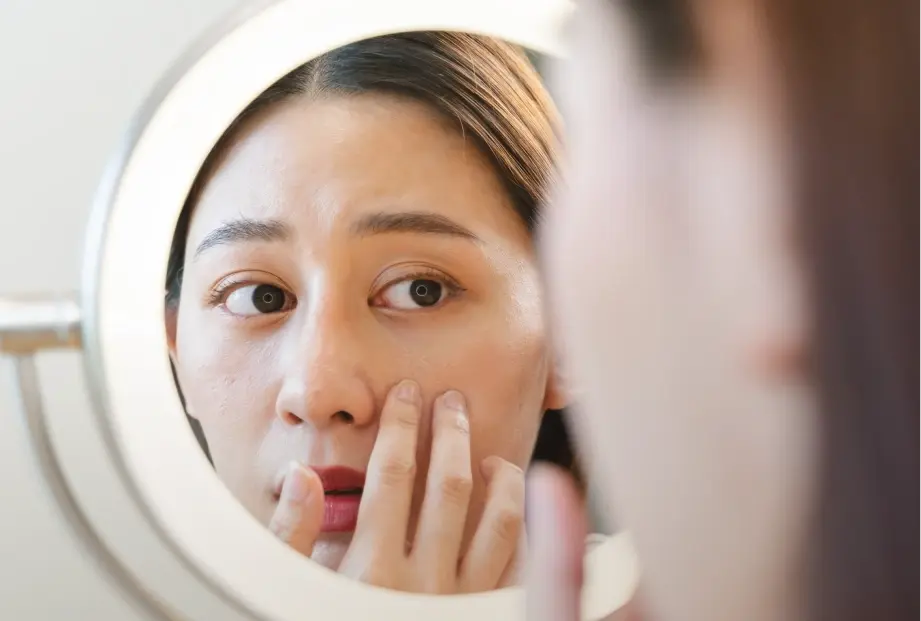
Blepharoplasty, more commonly known as eyelid surgery, is designed to address concerns related to excess skin, fat distribution and eyelid position. Each procedure is carefully tailored to your facial structure, with the aim of creating a brighter appearance while maintaining your natural expressions and individual character.
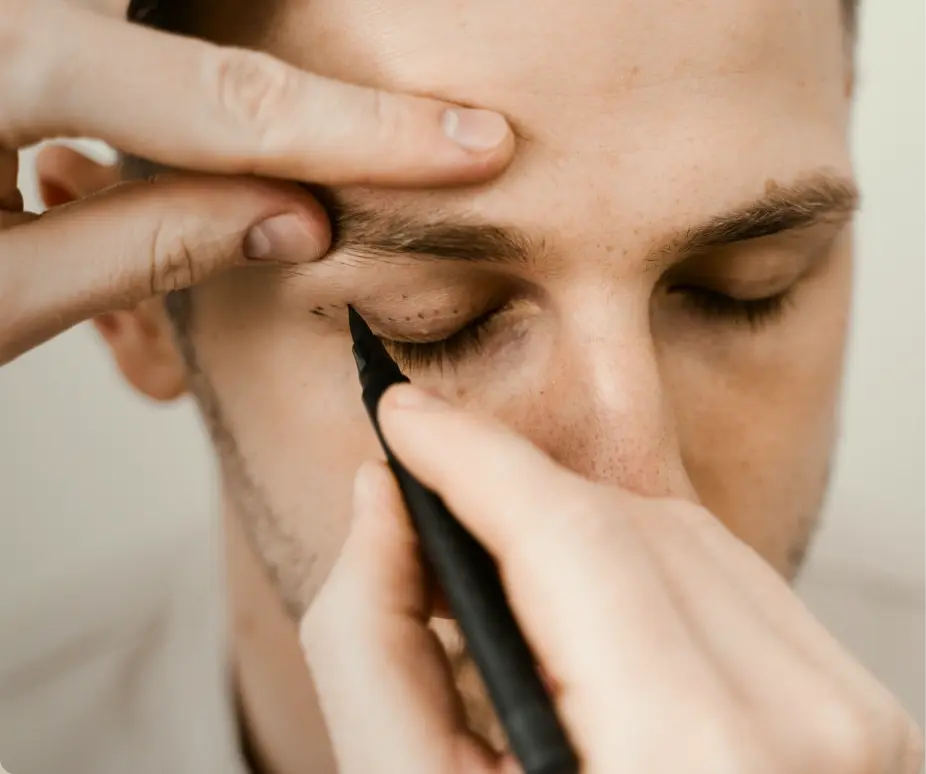
In some cases, upper eyelid surgery may also improve vision if drooping skin interferes with the visual field.
Blepharoplasty can help to improve:
You may wish to consider blepharoplasty if you:

Dr Sandeep Uppal
Having treated patients of Asian, Indian and Caucasian backgrounds, his dual fellowship training in Facial Plastic Surgery and ENT–Head and Neck Surgery supports a precise, anatomically guided technique that refreshes the eye area while preserving natural expression.
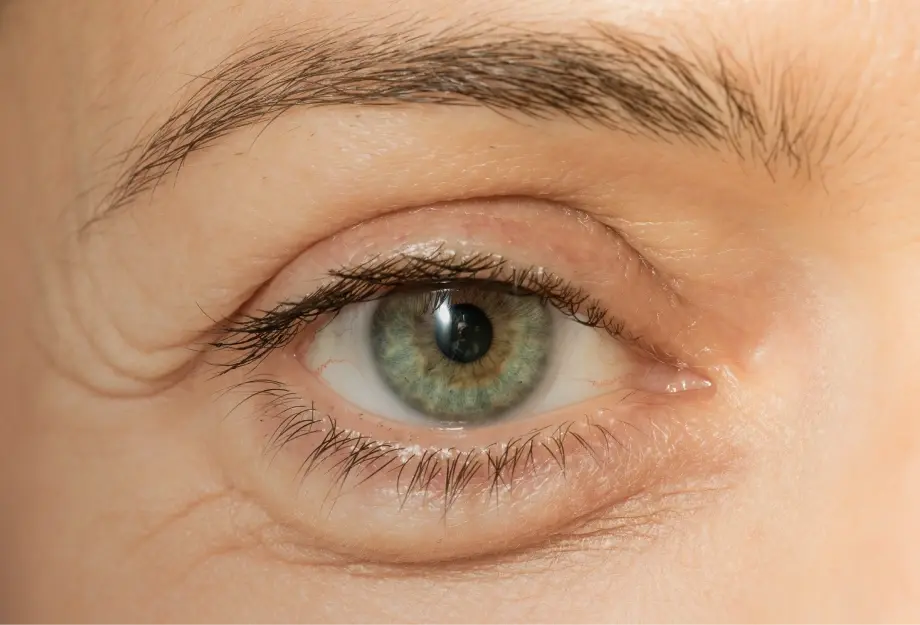
Your consultation will include a detailed discussion of your goals, eyelid anatomy and medical history, as well as an assessment of whether blepharoplasty is appropriate for you.
Pre-operative advice may include avoiding certain medications, stopping smoking and receiving guidance on how to prepare for the day of surgery and recovery.
Blepharoplasty is typically performed under local anaesthesia with sedation or general anaesthesia, depending on your needs.
Where incisions are required, they are usually placed along natural eyelid creases, just below the lash line or within the eyelid itself, so that any scarring is minimised and typically heals discreetly.
Some swelling, bruising and tightness around the eyes are normal during the first week of recovery.
Most patients are able to return to work or social activities within 7 to 10 days, while the eyelids continue to improve over the following weeks. Final results gradually become more apparent as healing progresses.
Questions
Will eyelid surgery change how I look?
Are the results permanent?
Will there be visible scars?
Is blepharoplasty painful?
When can I return to work?

Your Best Self