PhD (Otorhinolaryngology), FAMS (Otolaryngology)
Rhinoplasty is a surgical procedure that reshapes the nose to enhance its appearance, improve nasal function, or address both aesthetic and functional concerns. While the procedure itself is relatively straightforward, recovery takes place gradually over time and requires careful adherence to your surgeon's post-operative instructions.
The first six weeks after rhinoplasty surgery are typically the most significant stages of healing. During this period, it is normal to experience swelling, bruising and temporary changes in nasal appearance. While initial improvements may become visible within the first few weeks, the nose will continue to settle and refine as the underlying tissues heal.
Factors Affecting Rhinoplasty Recovery
While every patient heals at a different pace, several factors can influence how quickly swelling subsides and when the final results of rhinoplasty become visible.
Key factors that may affect recovery include:
Skin Thickness
Patients with thicker skin may experience more prolonged swelling, particularly around the nasal tip, while those with thinner skin often notice their nasal definition emerging sooner as swelling resolves.
Surgical Complexity
The extent of changes made to the bone, cartilage and surrounding tissues can affect the recovery timeline. More extensive rhinoplasty surgery generally requires a longer healing period than procedures involving minor refinements.
Individual Biology & Lifestyle
Factors such as age, overall health, circulation and immune function can influence how efficiently your body heals. Following your surgeon’s post-operative instructions, maintaining a balanced diet and avoiding smoking and alcohol can help support a smoother recovery.
During your consultation, your rhinoplasty surgeon will assess your individual circumstances and provide personalised guidance on what to expect throughout the healing process.
Week-by-Week Recovery Guide
The Initial Recovery Period
The first week after rhinoplasty surgery is typically when swelling and bruising are most noticeable as the body begins to heal. It is also common to experience mild discomfort, nasal congestion and a feeling of pressure around the nose. Your surgeon may prescribe medication to help manage these symptoms and keep you comfortable during the early stages of recovery.
To support your healing during this period, it is important to:
Early Healing and Splint Removal
By the second week, most patients begin to notice visible changes as the initial stages of recovery progress. Following splint removal, the new shape of your nose becomes more apparent. However, it is important to remember that the swelling beneath the skin can still significantly affect its appearance.
This stage of rhinoplasty recovery often brings encouraging changes, but it is still too early to assess the final outcome of the procedure.
Visible Refinement And Recovery
By weeks three and four, the recovery process generally becomes more predictable, as swelling continues to subside. During this stage, many patients notice that their facial features appear more balanced, and the nose begins to look increasingly natural.
While noticeable improvements are often visible by this stage, the nose is still undergoing internal healing, and subtle changes will continue to occur in the weeks and months ahead.
Continued Healing And Functional Improvement
By weeks five and six, the nose typically appears more refined as swelling continues to subside. Although much of the initial healing has taken place, subtle changes are still occurring beneath the skin as the underlying tissues recover and settle.
While the most noticeable stages of recovery occur within the first six weeks, the final results of rhinoplasty surgery can take several months to fully emerge as swelling continues to resolve.

What to Avoid During Rhinoplasty Recovery
Following your surgeon's post-operative instructions is essential for supporting proper healing and achieving the best possible outcome. During the recovery period, it is important to take precautions that minimise swelling and protect the nose from unnecessary strain.
Avoid Applying Pressure to the Nose
Refrain from touching, rubbing or placing pressure on your nose while the tissues heal. You should also avoid blowing your nose during the early stages of recovery, as this may disrupt the healing process.
Avoid Strenuous Physical Activities
Heavy exercise, intense workouts and activities that increase the risk of facial injury should be avoided until your surgeon advises otherwise. Elevated heart rate and blood pressure can contribute to swelling and may prolong recovery.
Take Care When Wearing Eyewear
Depending on your surgeon's recommendations, you may need to avoid wearing glasses or use specialised supports to prevent pressure on the nasal bridge during the healing period.
Avoid Smoking and Alcohol Consumption
Smoking can impair blood circulation and reduce oxygen delivery to healing tissues, while alcohol may increase swelling and inflammation. Avoiding both can help support a smoother recovery.
Adhering to these guidelines can help reduce the risk of complications and support the long-term results of your rhinoplasty surgery.
When to Contact Your Surgical Team
Some swelling, bruising and discomfort are normal after rhinoplasty surgery. However, signs of complications should be assessed by a healthcare professional as soon as possible. Contact your surgical team if you experience any of the following:
If you are unsure whether a symptom is part of the normal healing process, it is always advisable to contact your clinic for guidance.
Personalised Rhinoplasty Surgery with Dr Sandeep Uppal
Every nose is unique, which is why rhinoplasty should be tailored to each patient's facial features, functional concerns and aesthetic goals. Whether you are seeking to refine the shape of your nose, improve breathing function or address both concerns, a personalised treatment plan can help achieve results that complement your overall facial harmony.
At PrudENT Rhinoplasty and Facial Cosmetic Surgery, rhinoplasty procedures are carefully planned according to each patient's anatomy, skin characteristics and desired outcomes. Led by Dr Sandeep Uppal, the clinic provides comprehensive consultations to assess your concerns, discuss realistic expectations and recommend an appropriate surgical approach based on your individual needs.
If you are considering rhinoplasty in Singapore and would like to learn more about the procedure, recovery process and expected results, schedule a consultation with Dr Sandeep to explore your treatment options and determine whether rhinoplasty is right for you.
FAQs About Rhinoplasty Surgery And Recovery
Our Facial Plastic Surgery Specialist in Singapore
MBBS, MS (Otolaryngology), FRCS (Ireland), FRCS (ORL-HNS), FRCS (England), PhD (Otorhinolaryngology), FAMS (Otolaryngology)
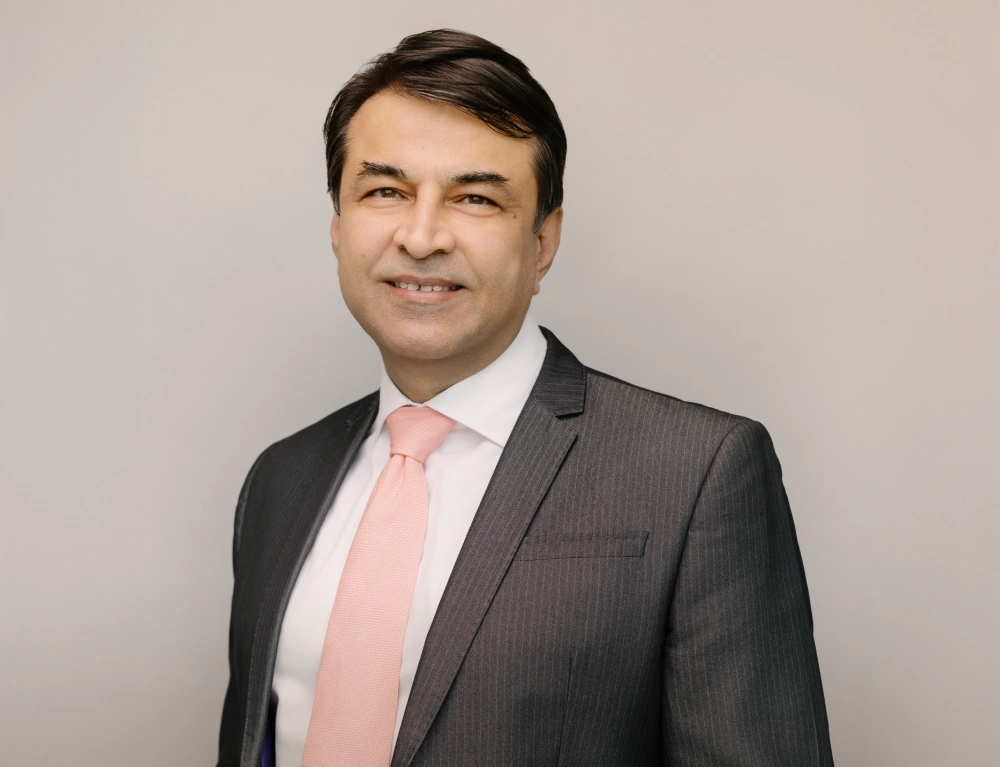
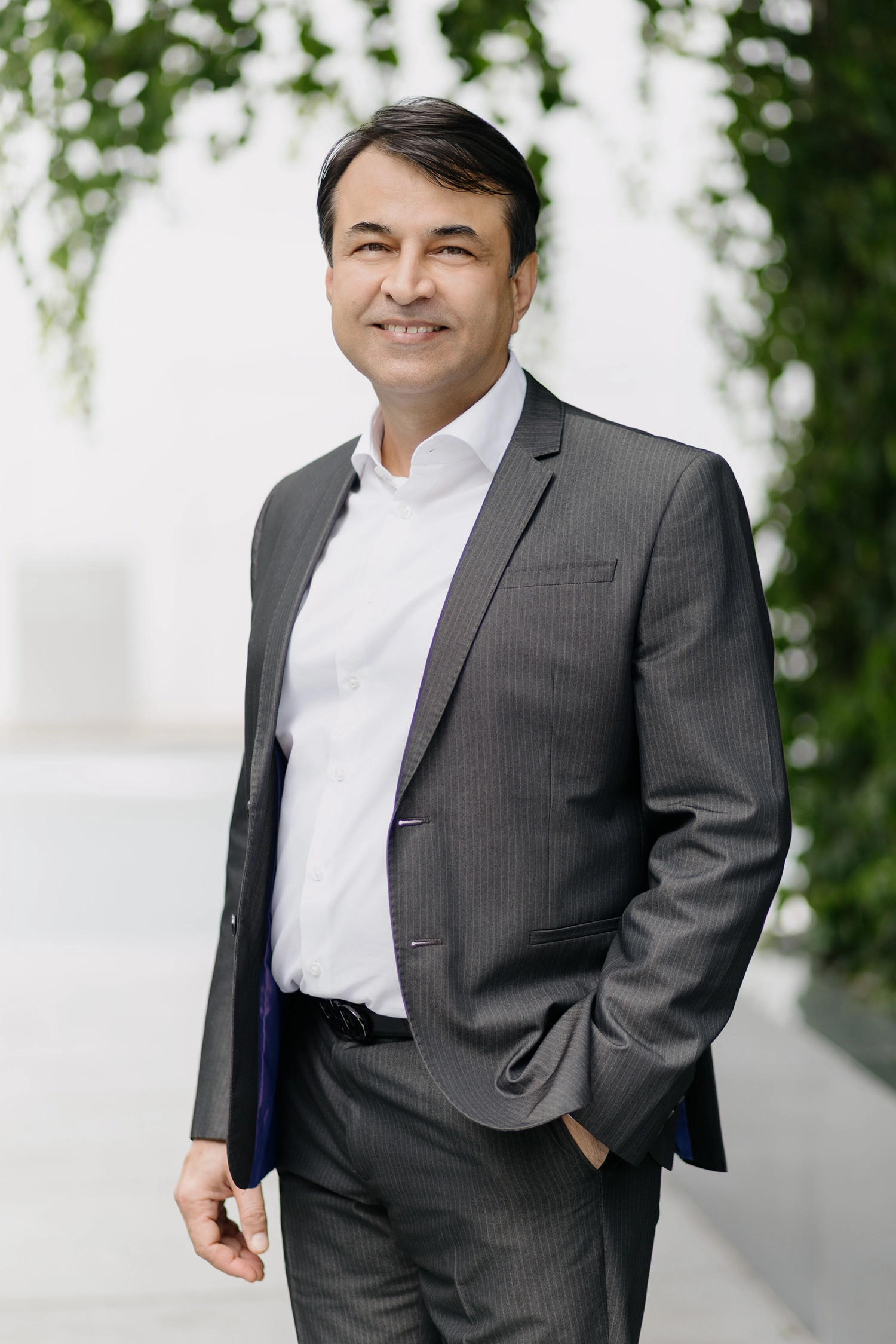
Dr Sandeep Uppal is an otolaryngologist, head and neck surgeon, and facial plastic surgeon with more than 30 years of clinical experience. He previously served as Head of the Department of Otolaryngology, Head and Neck Surgery at Khoo Teck Puat Hospital and founded its Facial Plastic, Reconstructive and Aesthetic Surgery Service.
Internationally trained across Europe, the UK, and USA, Dr Sandeep holds board certifications from both the International Board for Certification in Facial Plastic and Reconstructive Surgery and the European Board for Certification in Facial Plastic and Reconstructive Surgery. In recognition of his academic excellence, he was awarded the Claus Walter Prize for achieving the highest score among international candidates in the board certification examination.
At PrudENT Rhinoplasty and Facial Cosmetic Surgery, Dr Uppal provides personalised surgical and non-surgical facial rejuvenation treatments, combining advanced surgical expertise with a focus on achieving natural-looking outcomes.