PhD (Otorhinolaryngology), FAMS (Otolaryngology)
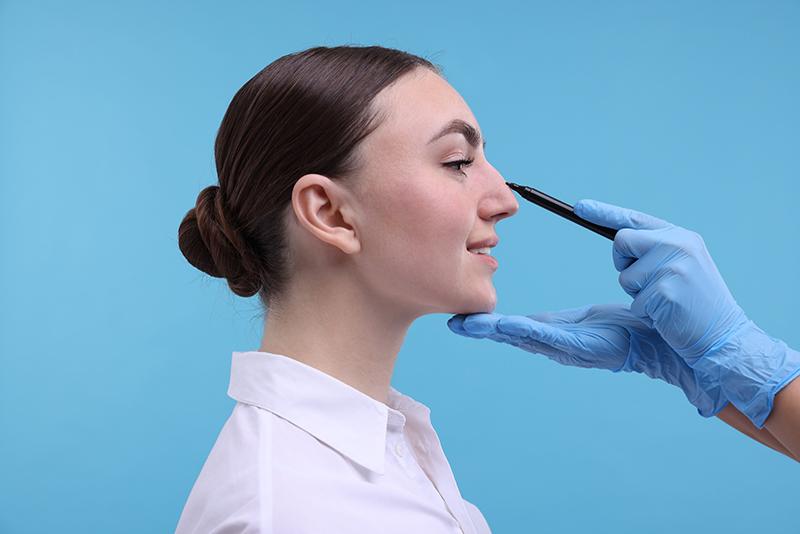
Have you ever noticed that your nose appears asymmetrical in photographs or felt that its features draw attention away from your overall facial balance? Rhinoplasty can address a range of concerns, including a low nasal bridge, a broad nasal base, tip fullness and visible asymmetry.
While these concerns are often aesthetic in nature, they are closely linked to the underlying bone, cartilage and soft tissue structures that influence both the shape and function of the nose. A thorough assessment by an experienced rhinoplasty surgeon can help determine which changes are appropriate for your facial features and goals.
What Anatomical Concerns Can Rhinoplasty Address?
Many patients describe their nose as being "too flat", "too wide" or "uneven". During a rhinoplasty consultation, these concerns are assessed by evaluating specific anatomical structures of the nose. Understanding how the bone, cartilage and skin interact helps determine which changes are achievable and how to create a result that complements the rest of the face.
Bridge Concerns (High, Low or Irregular Nasal Dorsum)
The nasal bridge, also known as the dorsum, is one of the most prominent features of the facial profile. Some individuals feel that their bridge is too low, creating a flatter appearance, while others may be concerned about a dorsal hump or irregular contour. The shape of the nasal bridge is determined by the underlying bone and cartilage that provide structural support to the nose. Variations in bridge height and contour can influence facial balance, profile appearance and how light falls across the face. During assessment, a rhinoplasty surgeon will consider factors such as facial proportions, skin thickness and overall nasal structure when evaluating potential treatment options.
Tip Concerns (Bulbous, Droopy or Poorly Defined Nasal Tip)
The nasal tip is primarily formed by cartilage and soft tissue. A bulbous tip may appear rounder or wider due to broader cartilage structures, thicker skin or a combination of both. Some patients may also feel that the tip lacks definition, particularly when viewed from the front or side. A drooping nasal tip points downward and may become more noticeable when smiling. During rhinoplasty planning, surgeons evaluate tip projection, rotation and structural support, as each of these factors contributes to the overall shape, balance and appearance of the nose.
Nasal Width Concerns
Concerns relating to nasal width may involve the upper bridge, the middle portion of the nose or the nostrils. A broader bridge can make the nose appear more prominent when viewed from the front, while wider or flared nostrils may draw attention to the lower third of the nose. Among many Asian patients, including those seeking rhinoplasty in Singapore, a wider nasal structure is a common anatomical characteristic. While this variation is entirely normal, some individuals may wish to refine certain features to achieve facial proportions that better align with their aesthetic preferences.
Nasal Asymmetry
Mild facial asymmetry is common, and the nose often reflects these natural differences. One side of the nose may appear slightly different from the other, or the nose may deviate subtly from the facial midline. In some cases, asymmetry becomes more noticeable following injury, trauma or previous nasal surgery. An important part of the consultation process is understanding that perfect symmetry is rarely present in nature and is not always an achievable surgical goal. Instead, rhinoplasty typically focuses on improving overall facial balance and harmony while maintaining a natural appearance.
Understanding the anatomical causes of your concerns is an important first step in determining whether rhinoplasty surgery is appropriate for your goals. During a consultation, a rhinoplasty surgeon can assess your nasal structure, discuss realistic expectations and recommend a personalised treatment approach based on your individual facial features.
What Causes These Nasal Concerns?
Concerns such as asymmetry, excessive width or poor definition can develop for a variety of reasons, ranging from inherited traits to age-related changes. Understanding these factors can help patients better appreciate how nasal anatomy influences both appearance and treatment planning.
Genetics
Genetics play a significant role in determining nasal shape, including the height of the nasal bridge, the width of the nostrils, cartilage strength and skin thickness. These inherited characteristics contribute to the overall appearance of the nose and help explain why nasal features vary considerably between individuals and ethnic groups.
Trauma or Previous Surgery
Injuries to the nose can affect its appearance and structural support. Even seemingly minor trauma may alter the alignment of the nasal bones or cartilage, leading to visible irregularities, asymmetry or changes in breathing function.
Ageing
The nose continues to undergo subtle changes throughout life. As the tissues supporting the nose weaken with age, the nasal tip may gradually lose support and appear more drooped. Changes in skin elasticity and soft tissue volume can also affect contour definition and overall nasal appearance.
Is Rhinoplasty Suitable for Your Concerns?
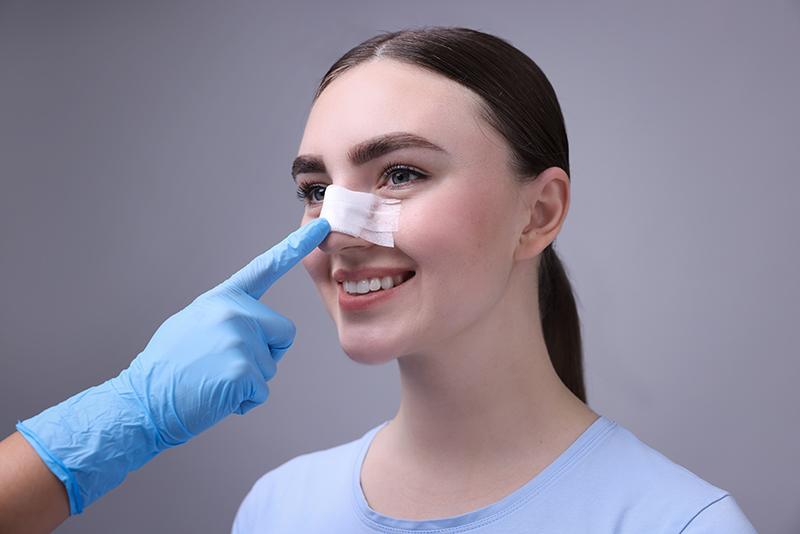
Not every nasal concern requires the same treatment approach, and the suitability of rhinoplasty depends on several factors, including your nasal anatomy, skin characteristics, facial proportions and treatment goals. Some concerns may be primarily aesthetic, while others may involve structural issues that affect nasal function.
Consultation Assessment
During a consultation, a rhinoplasty surgeon will assess the underlying causes of your concerns, discuss realistic expectations and determine whether rhinoplasty is an appropriate option. This evaluation helps identify which changes may be achievable while maintaining facial balance and supporting the structural integrity of the nose.
Personalised Treatment Planning
Understanding your individual anatomy and treatment objectives is an important step in deciding whether rhinoplasty is right for you. A personalised assessment can help establish realistic goals and guide the development of a treatment plan tailored to your needs.
Understanding Your Rhinoplasty Options with Dr Sandeep Uppal
No two noses are alike, and concerns relating to the nasal bridge, tip, width or overall symmetry often require different treatment approaches. A thorough assessment of your nasal anatomy, skin characteristics and facial proportions is essential for determining which changes are achievable and whether rhinoplasty is the most appropriate option for your goals.
At PrudENT Rhinoplasty and Facial Cosmetic Surgery, every rhinoplasty procedure is planned according to the patient's individual anatomy, functional concerns and desired outcomes. Drawing on more than three decades of clinical experience in ENT and facial plastic surgery, Dr Sandeep Uppal provides personalised assessment and treatment recommendations for patients seeking rhinoplasty. If you are considering rhinoplasty surgery in Singapore, book a consultation to discuss your concerns, explore suitable treatment options and determine the most appropriate approach for your needs.
FAQs About Nasal Concerns and Rhinoplasty
Our Facial Plastic Surgery Specialist in Singapore

MBBS, MS (Otolaryngology), FRCS (Ireland), FRCS (ORL-HNS), FRCS (England), PhD (Otorhinolaryngology), FAMS (Otolaryngology)
Dr Sandeep Uppal is an otolaryngologist, head and neck surgeon, and facial plastic surgeon with more than 30 years of clinical experience. He previously served as Head of the Department of Otolaryngology, Head and Neck Surgery at Khoo Teck Puat Hospital and founded its Facial Plastic, Reconstructive and Aesthetic Surgery Service.
Internationally trained across Europe, the UK, and USA, Dr Sandeep holds board certifications from both the International Board for Certification in Facial Plastic and Reconstructive Surgery and the European Board for Certification in Facial Plastic and Reconstructive Surgery. In recognition of his academic excellence, he was awarded the Claus Walter Prize for achieving the highest score among international candidates in the board certification examination.
At PrudENT Rhinoplasty and Facial Cosmetic Surgery, Dr Uppal provides personalised surgical and non-surgical facial rejuvenation treatments, combining advanced surgical expertise with a focus on achieving natural-looking outcomes.