PhD (Otorhinolaryngology), FAMS (Otolaryngology)
As we age, changes such as skin laxity, volume loss, and the development of wrinkles can alter facial contours and overall appearance.
For individuals seeking facial rejuvenation, the choice often comes down to a traditional facelift or non-surgical alternatives such as dermal fillers and energy-based skin tightening treatments.
While both approaches can help address signs of ageing, they differ significantly in terms of results, longevity, recovery time, and suitability. Understanding the key differences between a facelift and non-surgical treatments can help you determine which option aligns best with your aesthetic goals and lifestyle.
How Facelifts and Non-Surgical Treatments Address Facial Ageing
A facelift, also known as rhytidectomy, is a cosmetic surgical procedure that repositions underlying facial tissues and removes excess skin to restore more youthful facial contours. Because it addresses structural changes beneath the skin, a facelift is particularly effective for treating moderate to advanced facial sagging.
Non-surgical facial rejuvenation, by contrast, encompasses a range of treatments that target different signs of ageing:
Injectable fillers restore lost facial volume and enhance facial contours.
Neuromodulator treatments help soften dynamic wrinkles caused by repeated facial expressions.
Skin boosters and regenerative injectables, such as SKINFHILO and SKINJURAN, focus on improving skin hydration, elasticity, and overall skin quality.
Energy-based skin-tightening treatments, including Ultherapy and Secret DUO, stimulate collagen production and may improve mild skin laxity.
Laser and light-based treatments, such as Sciton BBL HERO, target concerns including pigmentation, uneven skin tone, and signs of photoageing.
Chemical peels help improve skin texture, tone, and superficial pigmentation irregularities.
Because facial ageing affects multiple layers of the face and skin, non-surgical treatments are often combined to create a customised treatment plan based on a patient's concerns and goals.
How Do Facelifts and Non-Surgical Treatments Compare?
While both approaches aim to create a more youthful appearance, they differ in how they achieve their results, the degree of rejuvenation they can provide, and the longevity of those outcomes.
| Aspect | Facelift | Non-Surgical Treatments |
|---|---|---|
| Approach | Surgically repositions facial tissues and removes excess skin | Uses injectables, energy-based devices, and skin rejuvenation treatments to address specific ageing concerns |
| Degree of Rejuvenation | More comprehensive rejuvenation, particularly for moderate to advanced ageing | Typically provides targeted or gradual improvements |
| Skin Laxity and Sagging | Can significantly improve facial and neck sagging | May improve mild skin laxity depending on the treatment |
| Facial Contours and Jawline Definition | Can reduce jowls and create a more defined jawline | May provide contour enhancement in selected cases |
| Wrinkles and Skin Quality | May improve certain wrinkles associated with skin laxity | Can target wrinkles, pigmentation, texture, and skin quality concerns |
| Longevity | Generally long-lasting results | Requires ongoing maintenance treatments |
| Recovery | Requires a period of recovery and healing | Minimal to no downtime for most treatments |
Because facial ageing affects multiple layers of the face, the most appropriate treatment depends on an individual's concerns, goals, and expectations. While a facelift is often considered the gold standard for addressing facial sagging and restoring contours, non-surgical treatments can play an important role in improving volume loss, wrinkles, and overall skin quality.
Which Facial Rejuvenation Option Is Right for You?
The best approach depends on your individual concerns, goals, and preferences. While a facelift and non-surgical treatments can both improve signs of ageing, they are often suited to different needs.
Factors to consider include:
Severity of Ageing Concerns
Whether you have mild signs of ageing or more significant facial sagging and loss of definition.
Desired Results
Whether you are seeking subtle improvements or more comprehensive rejuvenation.
Recovery Preferences
Whether you are comfortable with surgical recovery or prefer minimal downtime.
Longevity of Results
Whether you prefer longer-lasting results or are willing to undergo maintenance treatments over time.
Budget Considerations
The upfront cost of treatment versus the potential need for ongoing maintenance.
A consultation with a qualified plastic surgeon can help determine which approach best aligns with your facial anatomy, aesthetic goals, and lifestyle.
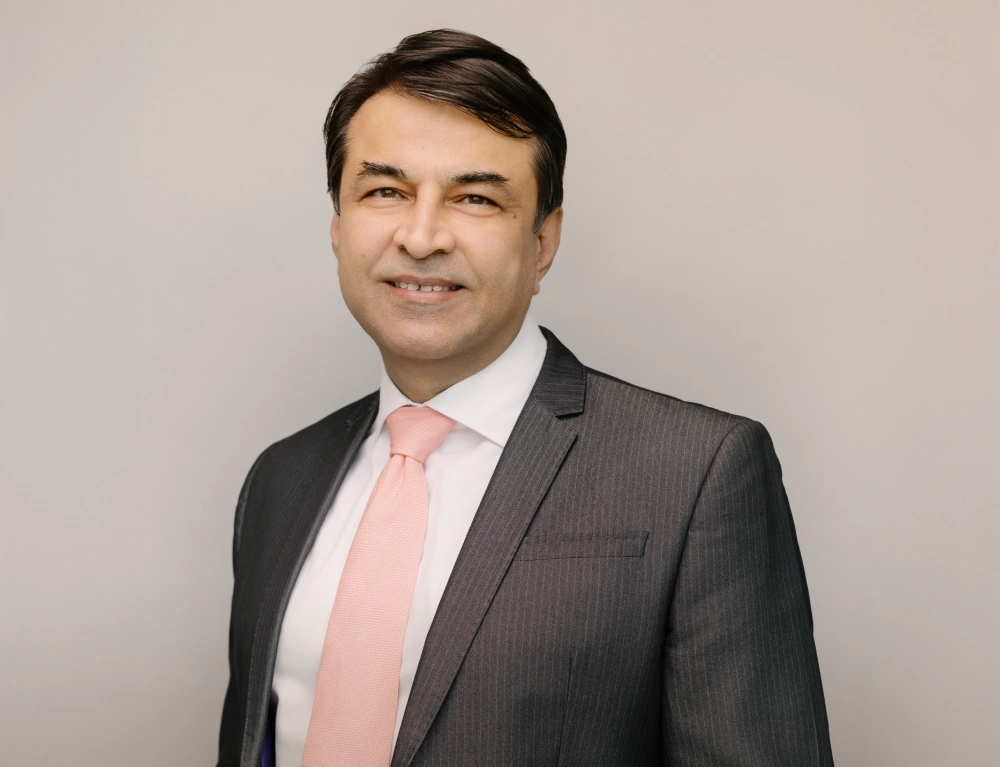
Personalising Facial Rejuvenation with Dr Sandeep Uppal
Facial ageing affects each individual differently, which is why there is no single treatment that suits everyone. While a facelift may be the most effective option for addressing significant facial sagging and restoring youthful contours, non-surgical treatments can be valuable for improving concerns such as volume loss, wrinkles, and skin quality.
At PrudENT Rhinoplasty and Facial Cosmetic Surgery, facial rejuvenation treatments are tailored to each patient's unique anatomy, ageing concerns, and aesthetic goals. Led by Dr Sandeep Uppal, the clinic offers both surgical and non-surgical facial rejuvenation options, enabling patients to explore treatments that best align with their needs and expectations.
If you are considering facial rejuvenation and would like to explore whether a facelift, non-surgical treatment, or combination approach is right for you, schedule a consultation with Dr Sandeep to discuss your concerns and treatment goals.
FAQs About Facelifts and Facial Rejuvenation Treatments
Our Facial Plastic Surgery Specialist in Singapore
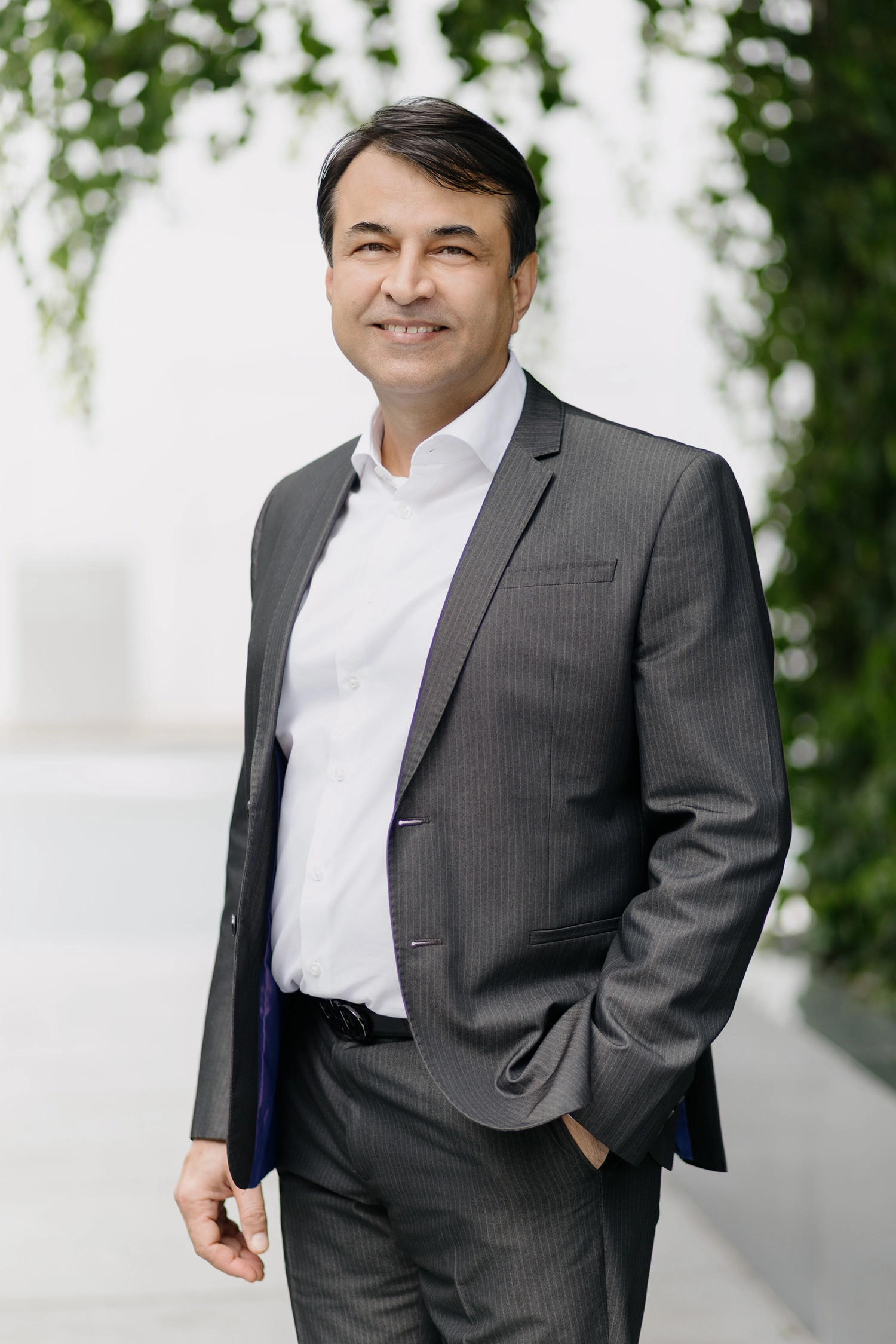
MBBS, MS (Otolaryngology), FRCS (Ireland), FRCS (ORL-HNS), FRCS (England), PhD (Otorhinolaryngology), FAMS (Otolaryngology)
Dr Sandeep Uppal is an otolaryngologist, head and neck surgeon, and facial plastic surgeon with more than 30 years of clinical experience. He previously served as Head of the Department of Otolaryngology, Head and Neck Surgery at Khoo Teck Puat Hospital and founded its Facial Plastic, Reconstructive and Aesthetic Surgery Service.
Internationally trained across Europe, the UK, and USA, Dr Sandeep holds board certifications from both the International Board for Certification in Facial Plastic and Reconstructive Surgery and the European Board for Certification in Facial Plastic and Reconstructive Surgery. In recognition of his academic excellence, he was awarded the Claus Walter Prize for achieving the highest score among international candidates in the board certification examination.
At PrudENT Rhinoplasty and Facial Cosmetic Surgery, Dr Uppal provides personalised surgical and non-surgical facial rejuvenation treatments, combining advanced surgical expertise with a focus on achieving natural-looking outcomes.